Religions have described figures who are responsible for protecting the faithful, these figures are known as angels. There is a branch of theology that deals with the study of angels, known as angelology, and we will talk about this below.
What is Angelology?
Angelology is a branch of systematic theology concerned with the study of the nature, work and scope of angels. According to the Christian religion, angels are defined as spiritual beings created by God, and within this religion a distinction is made between good angels and evil angels, or popularly known as demons.
Although the Bible repeatedly mentions the activity of angels and demons, it does not explain with certainty what they are. Only in the Bible is their existence and activity taken for granted. It was not until the Middle Ages that angelology began to take shape, thanks to the Byzantine theologian Pseudo-Dionysius Areopagite and Pope Gregory the Great.
In both Hebrew and Greek, the word “angel” can be interpreted as a messenger, so the Bible has often been interpreted to mean that a messenger could be human or celestial. This interpretation often leads to confusion as to whether we are talking about a person or a spiritual being when we speak of angels.
In popular belief, angels are considered to be servants of God, while fallen angels are servants of Satan. The latter is believed to have chosen to follow Lucifer in his fall after rebelling against God in heaven.
History of Angelology
In order to understand something about Angelology, it is necessary to look at its history, its origins, its place in the Bible, and also the role that this branch of study plays today.
Origins
It is important to mention that Christian Angelology is actually a reorganisation of Jewish Angelology, which has its foundations in the Torah, the Jewish Bible. In the Torah, Jewish angelology was elaborated from Zoroastrian angelology, which can be found in the holy book Avesta. This holy book could only be studied by Jewish priests and scribes in the city of Babylon during their captivity of more than 50 years.
Angelology in the Bible
As mentioned above, the Bible does not contain much information about angels. This is because the central focus of the Bible is salvation and the story of Jesus. For this reason, the Bible mentions the angels of God and how they work, but does not specify what they are or what they look like.
On the other hand, only two angels are mentioned in the Hebrew Scriptures, the Archangel Gabriel, who is the one who would answer Daniel’s prayers; the other angel is the Archangel Michael, who is considered to be the protector of Israel. Outside the canon, the Book of Enoch mentions that angels were present at the giving of the Mosaic Law.
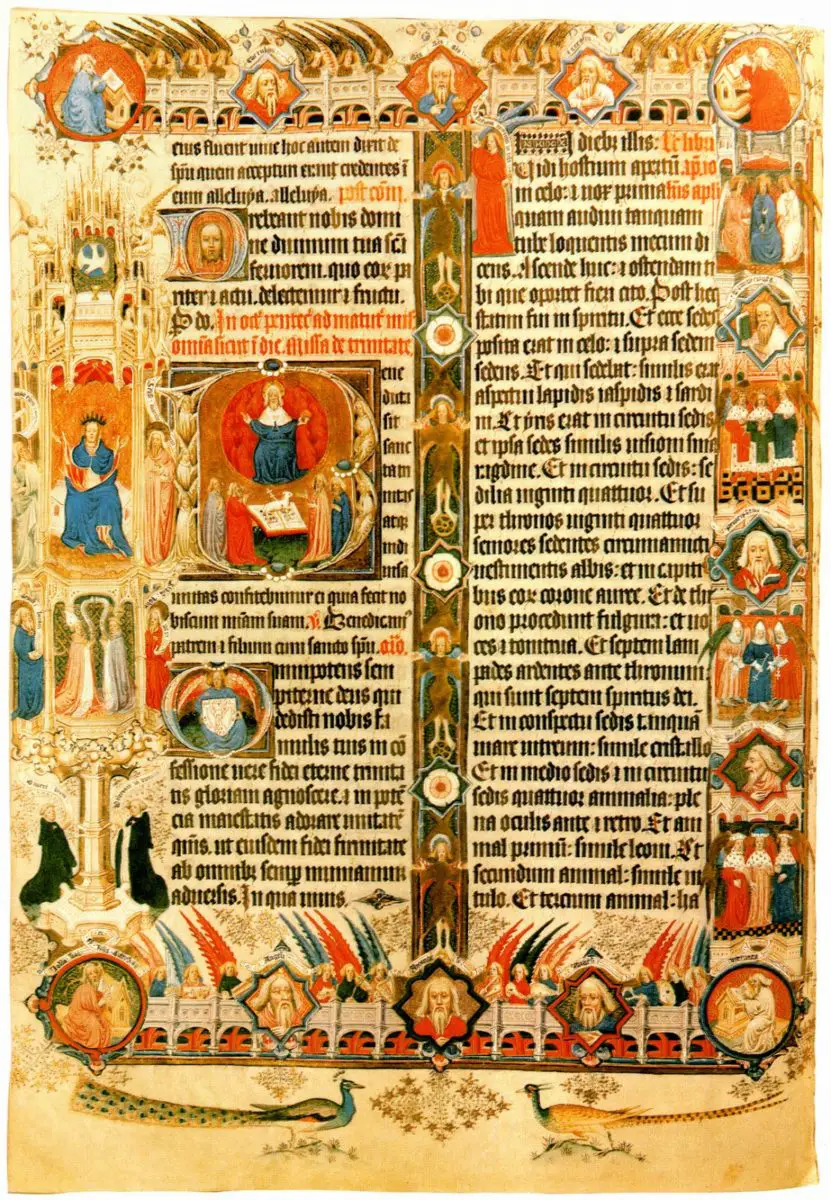
In the New Testament, the Pharisees believed that angels bridged the gap between God’s will and man’s, while the Sadducees did not believe in angels. One of the first to address the subject of angels was St Irenaeus, who described the hierarchies of angels based on the account that if an angel fell from heaven it could become a demon.
St Jerome believed that each person was assigned a guardian angel at birth, paving the way for the belief that is so popular today. Dionysius in 500 AD said that angels were the image of God. Some time after Dionysius, Gregory the Great added that angels had power over heavenly bodies, while Peter Lombard claimed that angels could be the protectors of many people.
The widespread belief in angels opened the way for pagan cultures to worship them, believing that they were the messengers between God and man and that they could be found in caves. Other cultures, such as the Assyrians and Greeks, added wings to demigods such as Hermes or Eros, who were essentially messengers of the gods. One of the images of angels that has endured over time is that of Amor, the god of love, an image created by Roman mythology.
Today
Many contemporary scholars speak of angels, but actually regard them as products of the literary imagination and projections of human aesthetic consciousness. This view is supported by the idea that these mysterious beings help to shape the expressions and fantasies of the human spirit.
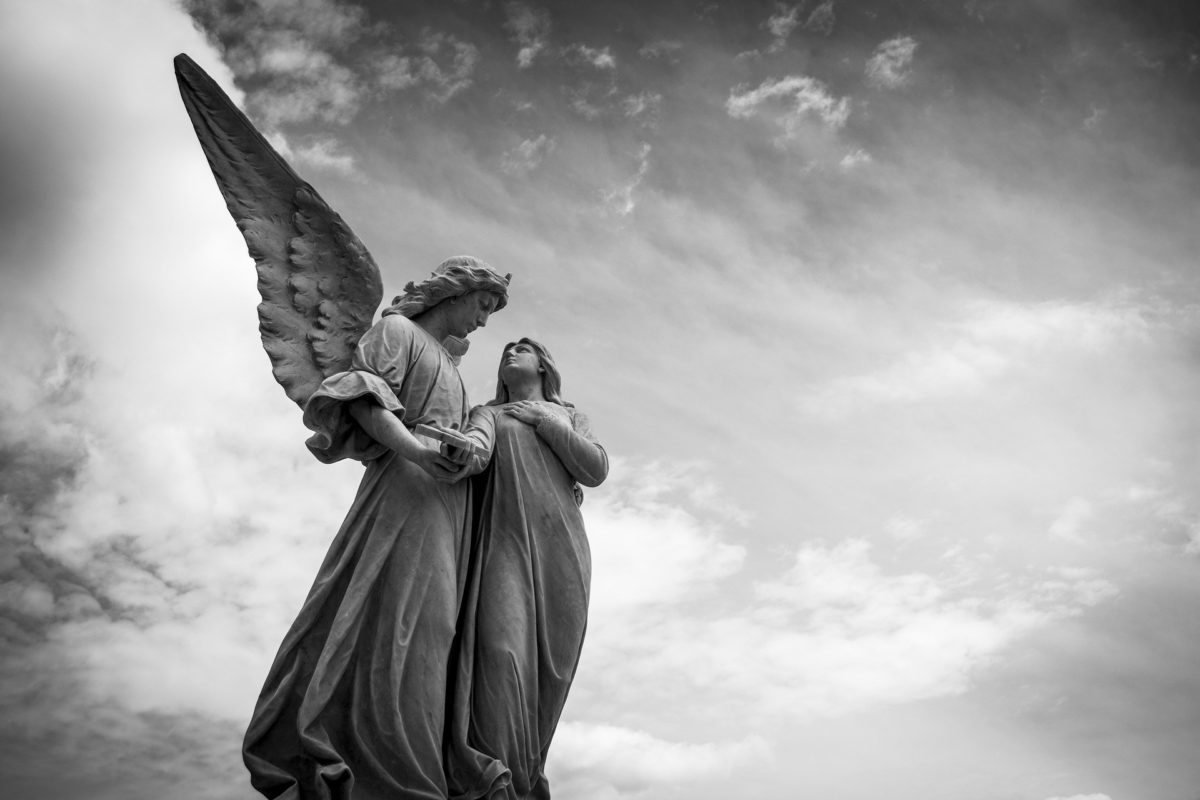
On the other hand, the existence of angels is completely denied by some Protestant authors, who consider these figures to be a biblical myth that needs to be reinterpreted. Similar to this Protestant position are theories such as the 1950 Encyclical Humani Generis, which affirms that angels are in fact human beings.
Paul VI’s profession of faith, popularly known as the Creed of the People of God, was promulgated in June 1968 on the occasion of the Year of Faith. In this creed there is an important reference to angels. It also mentions that these angels have an important role in the divine government of things. This mention by Paul VI led to a greater belief in and study of angels and their role in the Catholic faith.
Classification of Angels
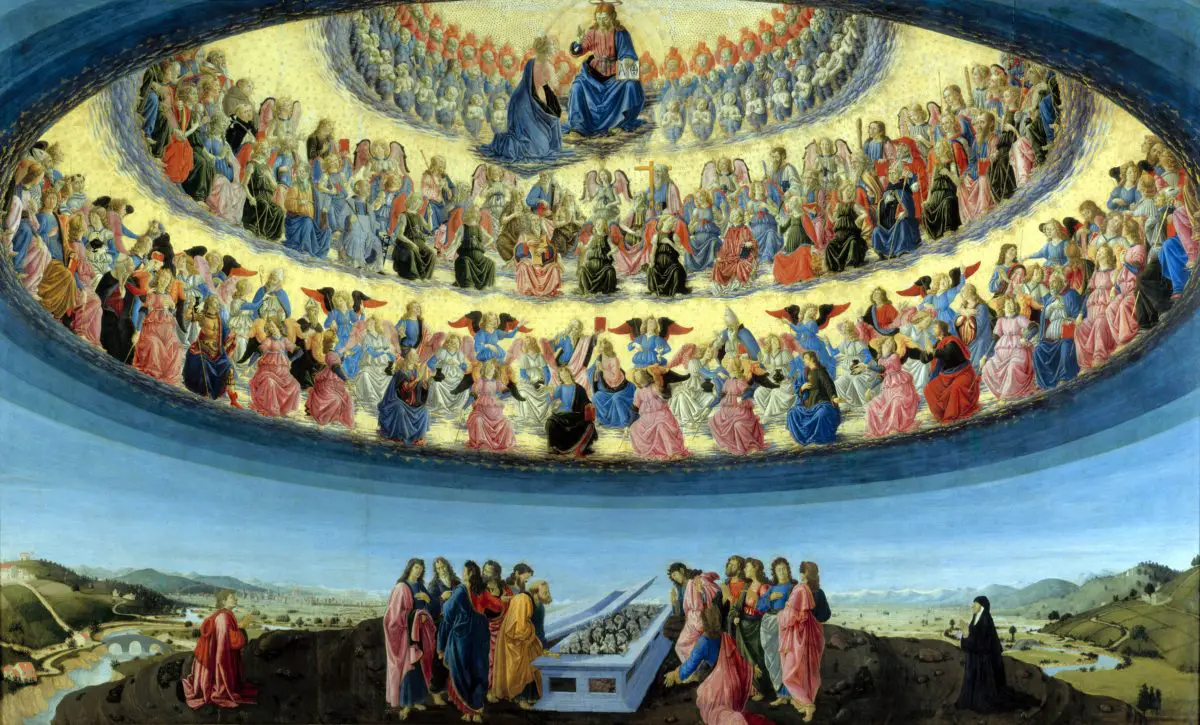
Once the history of angelology is known, it is necessary to know about angels, which are nothing more than celestial beings, similar to humans, who are responsible for sending God’s message and protecting humans. There are several types of angels, so let us know a little about their classification.
Seraphim
The seraphim are a group of angels mentioned in the book of Isaiah. There they are described as perpetual worshippers of God, and they are also described as having three pairs of wings, two pairs of which cover their faces, two pairs of which cover their feet, and the last two pairs of which fly. They use their wings to protect themselves from the intense radiance of God.

Cherubim
Cherubim are the angels who guarded the entrance to the Garden of Eden. It is also thought that God himself had his throne guarded by cherubim, or that he rode on cherubim. On the Ark of the Covenant in the Old Testament it is described that there were two golden cherubim with outstretched wings on the Ark, and that God promised to go and dwell among his people.
Another account where cherubim are mentioned is in the books of Genesis and Ezekiel. In Genesis, the cherubim are positioned to the east of the Garden of Eden and carry a flaming sword which they wield on all sides to guard the way to the Tree of Life.
The Angels
Probably the best known of the angels, angels are beings who protect all of God’s creatures on earth. Within this category we find the Guardian Angels, those beings who protect human beings from birth and throughout their lives.
Archangels
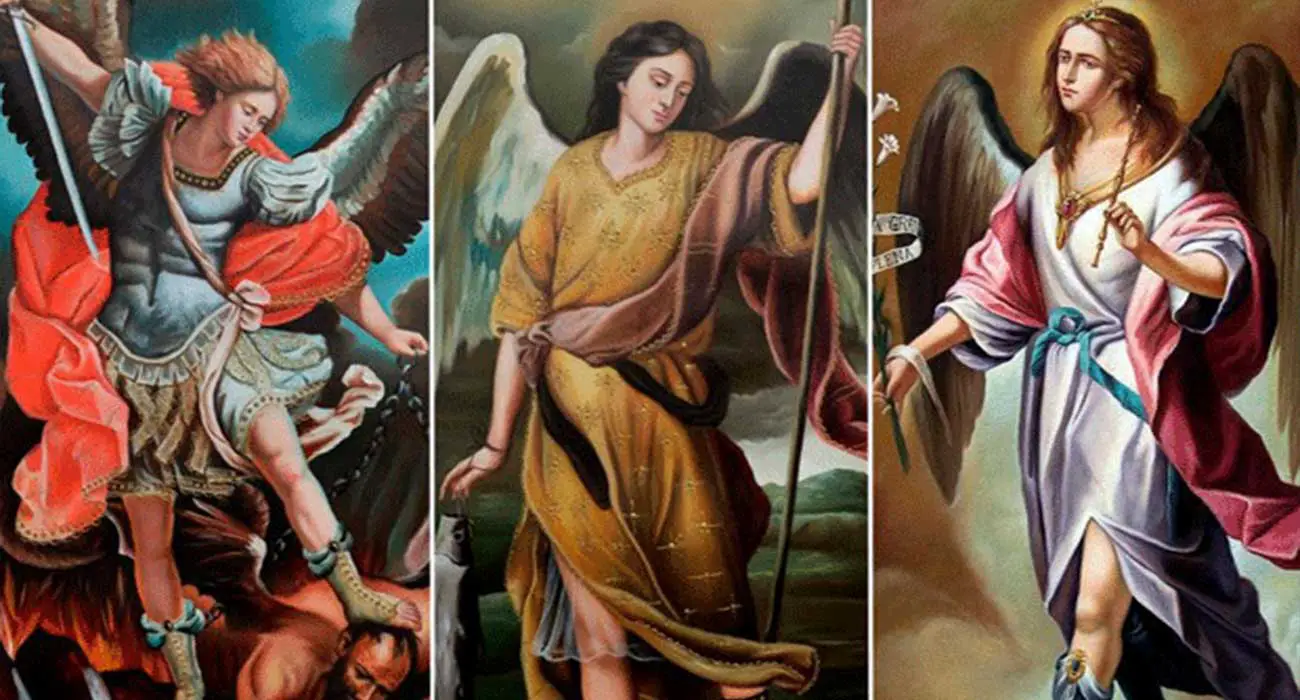
In the Christian faith, archangels are usually given a very important role to play for all of humanity. For this reason, angels and archangels do not have many physical differences, they can only be distinguished by the role assigned to them by God. The Bible mentions three archangels: the archangel Michael, the archangel Raphael and the archangel Gabriel.
Thrones
In the books of Ezekiel and Revelation there is mention of a special class of angels known as “thrones”. These are found around the throne of God and have the appearance of a lion, an ox, a man and an eagle. The thrones are considered to be the most powerful representatives of all God’s creatures, and they also worship God constantly.
Characteristics of the angels
Thanks to what has been compiled in the Bible, it has been possible to assign characteristics to the angels, all of which have been studied in detail by angelology. Next we will discuss the characteristics of the angels.
Heavenly creatures
First of all, angels were created by God before He created the world. God would give them a special order because they were different creatures from those He would create for the earth. It is important to note that the Bible does not specify the exact time of the creation of angels, but it is believed that they existed long before man.
Angels, as creatures, are not meant to accept worship, so man is commanded not to worship them. They are invisible creatures precisely to prevent man from worshipping them and thus prevent God from being pushed aside. These creatures do not allow attention to be focused on them, but rather attribute that glory to God. They present God’s message to their listeners as a message of liberation. It is important to note that it is not correct to pray to angels.
Spiritual beings
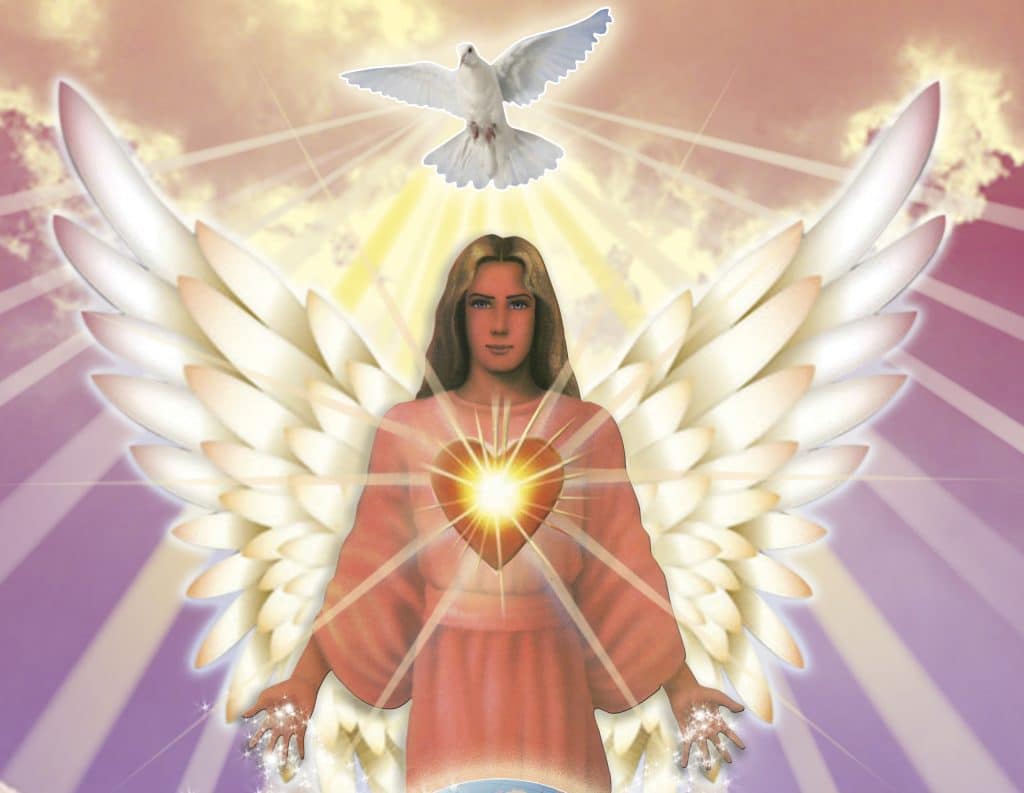
The characteristic of Spiritual Beings is that they are immaterial and incorporeal. They differ from humans in that angels are not limited by natural or physical conditions, meaning that they can travel with unimaginable speed without the use of natural means.
Although they are spirits, on special occasions they can take physical form to make themselves visible to people in need. Most of the time, when they do take physical form, they are so glorious and breathtakingly beautiful that they leave those who enjoy their presence in awe. Angels are usually described as having male bodies.
Angels are often seen in dreams and visions. In such visions, they are described as having superhuman qualities that differ greatly from their appearance in human form. The popular belief that all angels except the cherubim and seraphim have wings is not supported by Scripture.
This traditional view arose from the fact that angels can move from place to place instantaneously and at great speed, and it was thought that their wings might be responsible for this quality. God lets the angels go before us, be with us and follow us, so that they can be in control of where we are going, so that we can be in full confidence during our sojourn on earth.
Human traits
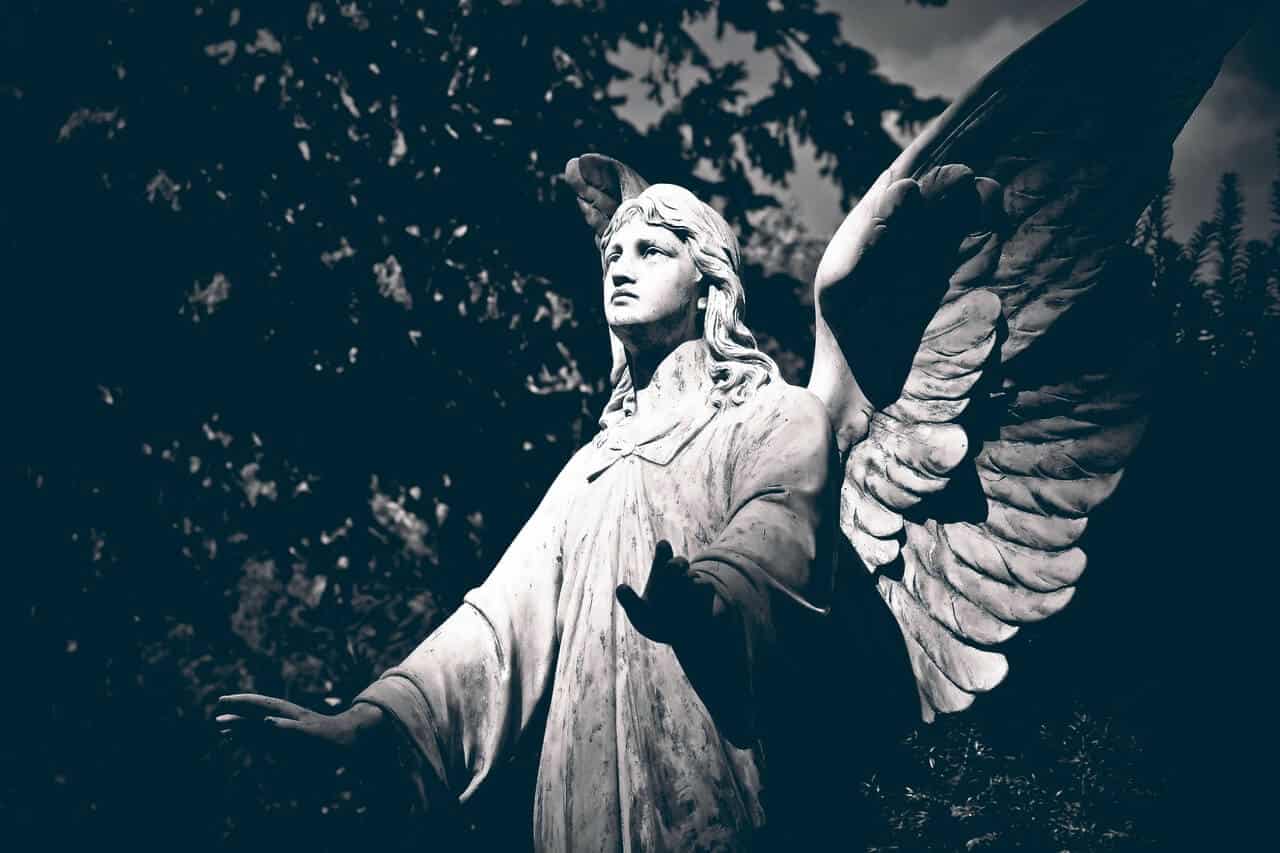
Their existence is personal, i.e. they have human characteristics, and they possess the quality of persons because they exhibit the essential facets of personality, namely intelligence, emotions and will. It is important to note that although they have wills, angels, like all creatures on earth, are subject to the will of God. God sent His angels to earth to help His believers. Although angels have the characteristics of persons, this does not mean that they lack abstract descriptions.
They have emotional capacity
Although angels are creatures with an uncorrupted spirit and under the will of God, they are endowed with a freedom that does not make them impervious to temptation and sin, as is the case with Satan. They are known to have knowledge, not as unlimited as God’s, but superior to that of man. This knowledge may be because they possess a higher order in the universe, because they are scholars of the Bible and acquire knowledge from it, or by observing the lives and behaviour of humans.
This study of behaviour has enabled them to understand a little of human emotion and experience, giving them an emotional capacity. Angels learn from the past, which makes them extremely wise and able to understand human reactions in different situations.
Powerful beings
An angel alone is extremely powerful, almost like an extension of the arm of God. They are not omnipresent beings, which means that they have certain spatial limitations. Although they can be in one place at one time, they can move very quickly.
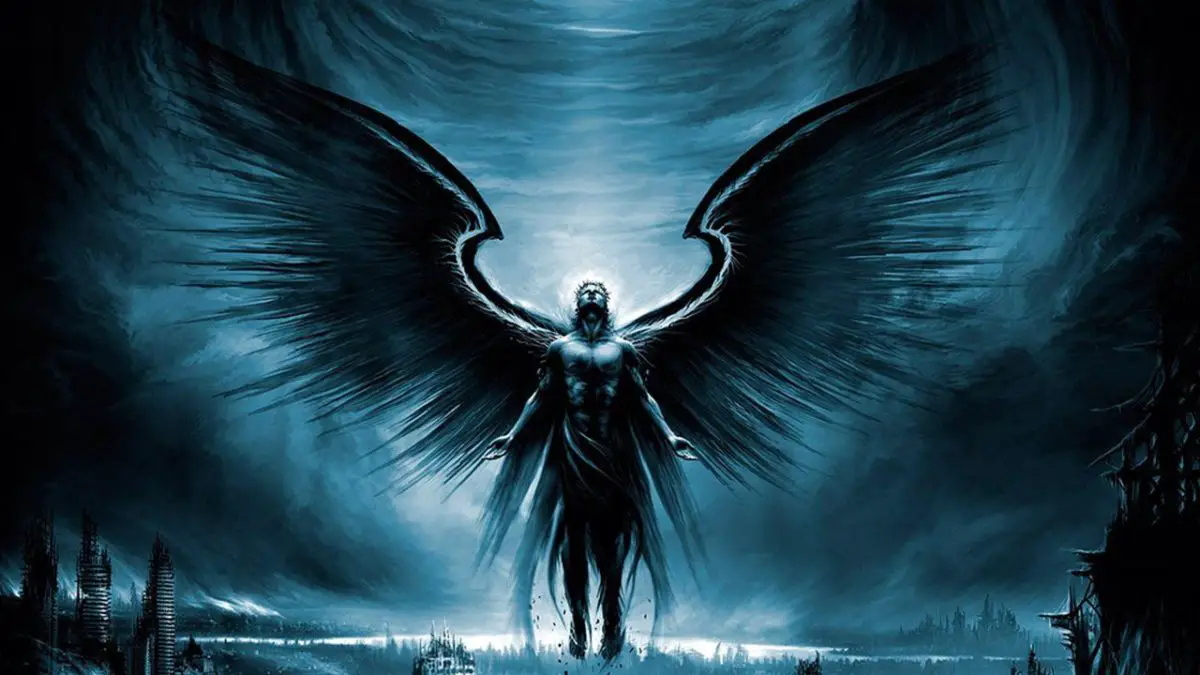
Obedient beings
Because of their God-given mandate to protect the faithful, angels are in close touch with what is happening on earth, not only in the natural or social realm, but also in the spiritual realm. For this reason, their knowledge must be superior to that of humans. As well as being obedient, they are also very humble beings who do not harbour personal grudges, nor do they denounce or vilify those who are their opponents.
They are immortal and have no definite gender.
Although angels are often described as male, in reality they have no definite gender. The fact that they are sexless means that they cannot reproduce. However, angels cannot die, which means that they are immortal.
They are numerous
Angels are known to exist in great numbers, so many that they cannot be counted. One way of quantifying them is to say that there are as many angels in the universe as there are human beings throughout history, due to the belief in the guardian angel.
Holiness
Spiritual beings are those who are in a state of holiness and have been called by God and for God. They are considered to be children of God, just like us, and angels are thought to be in heaven, but can also be in other places such as earth.
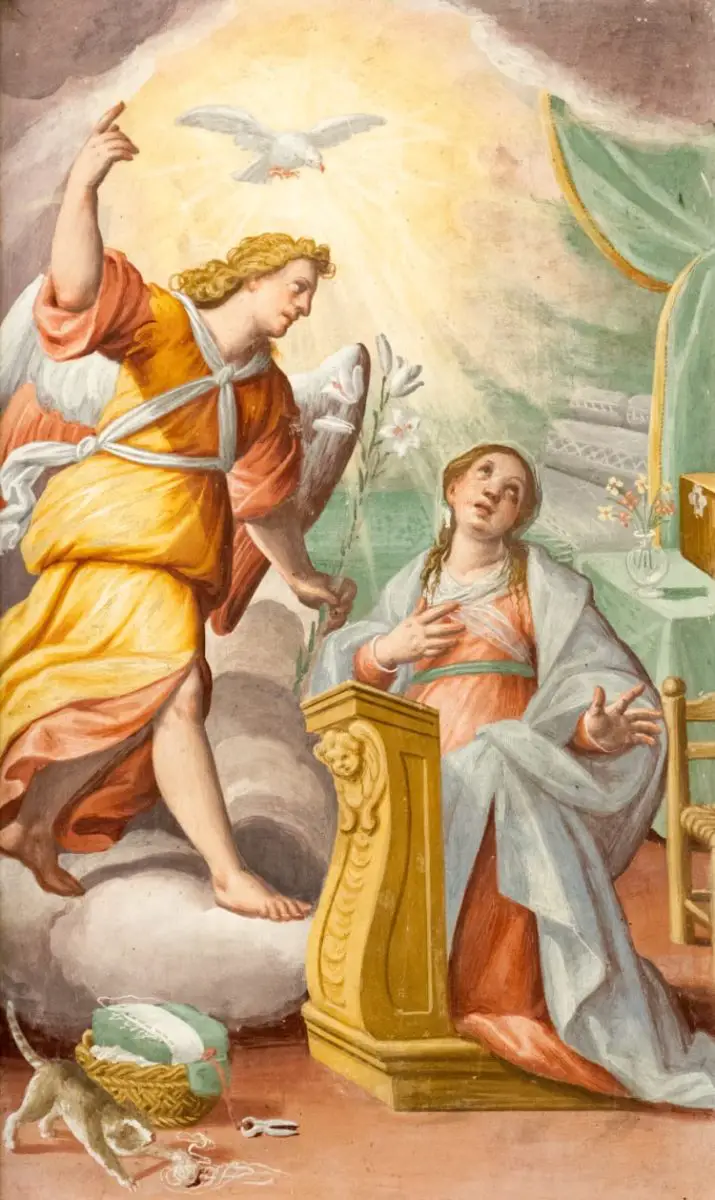
A powerful presence
One of the first messages the angels gave to the shepherds on the night of Christ’s birth was not to fear them. The presence of angels has always frightened those to whom they appear. Now the purpose of angels is to bring peace and serenity, especially to those to whom they appear.
It is clear from these stories that angels are striking to the eye, so much so that they cause great fear in humans at first sight. This striking factor in humans can most likely be aroused by their majesty.
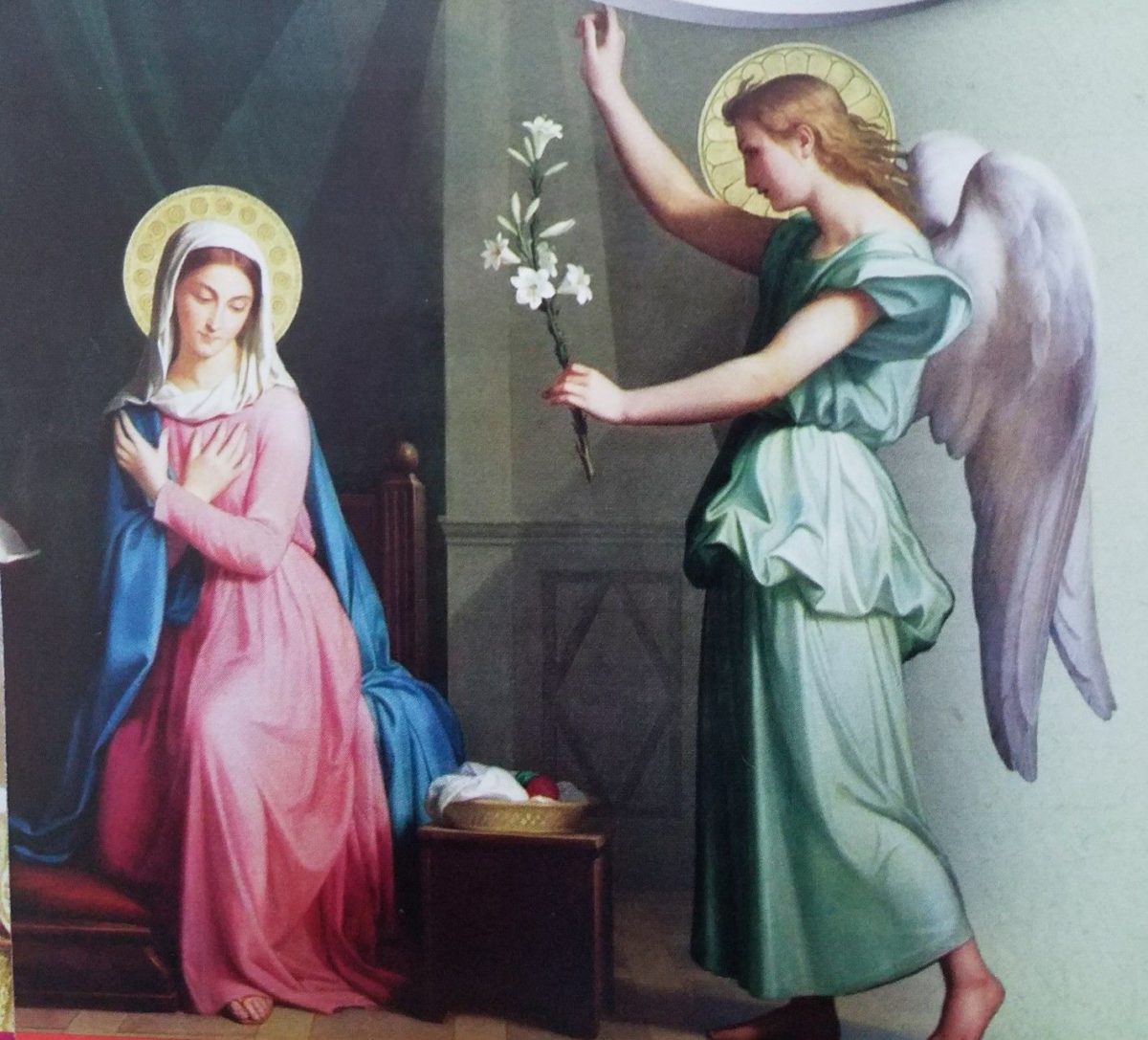
In this article we have learned about angelology, a branch of theology that deals with the study of angels. Thanks to these studies, we have not only learned about the role and influence that angels have had in religions and religious beliefs, but we have also been able to give a physical, personal and spiritual description of these beings, thanks to the study of various passages from different sacred texts. You may also be interested in the following articles:
- Freyja, the mythological goddess of love, fertility and beauty.
- Frigg, one of the major goddesses of Norse mythology.
- Goddess Aphrodite, goddess of beauty, sensuality and love.
- God Hephaestus: God of fire and forging in Greek mythology.